

First Maine Catholic Homeschooling Conference shines a light on the importance of Catholic education
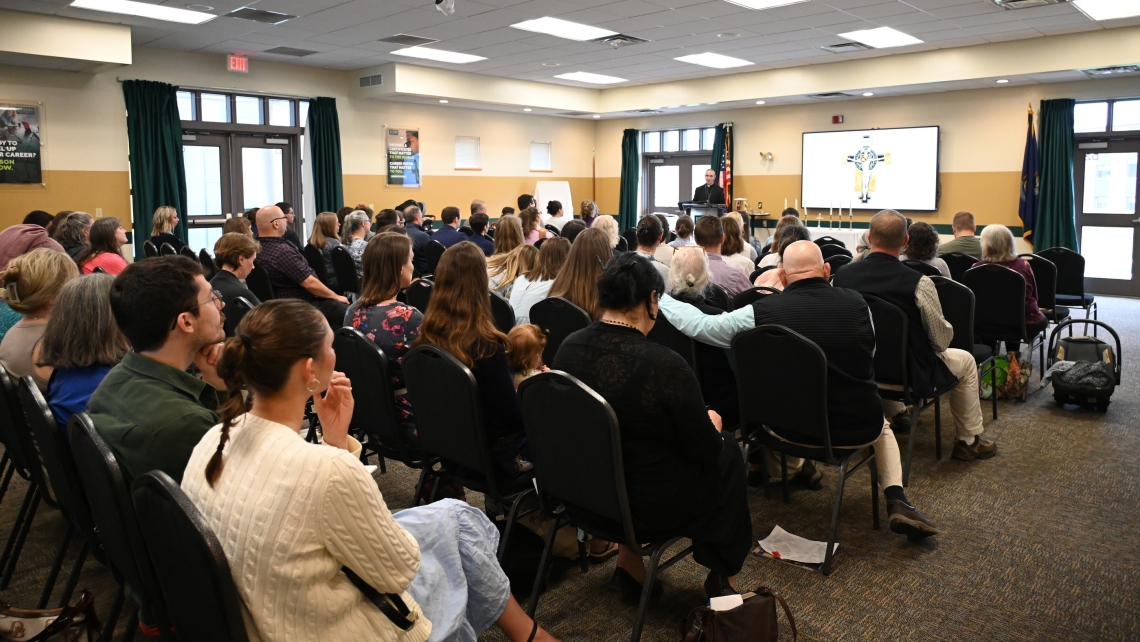
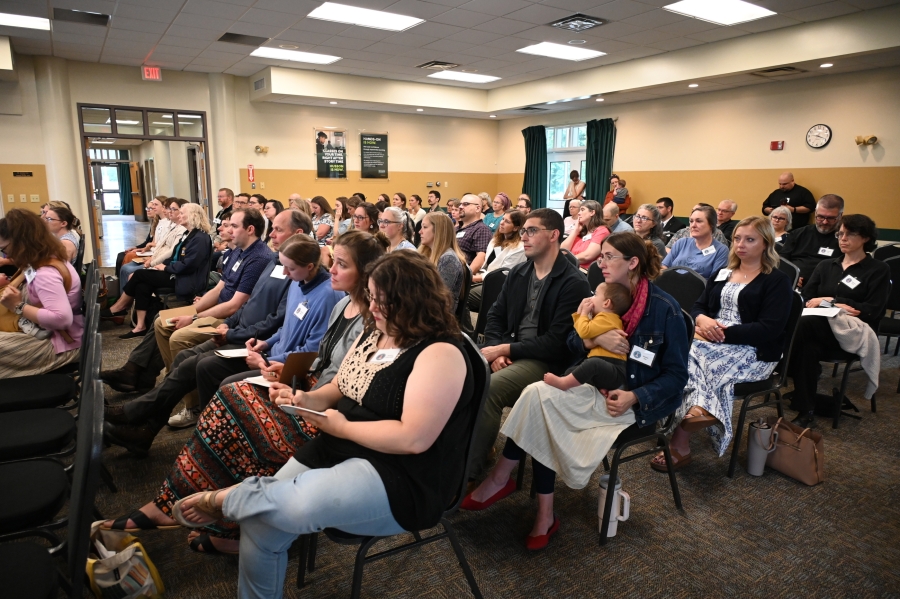
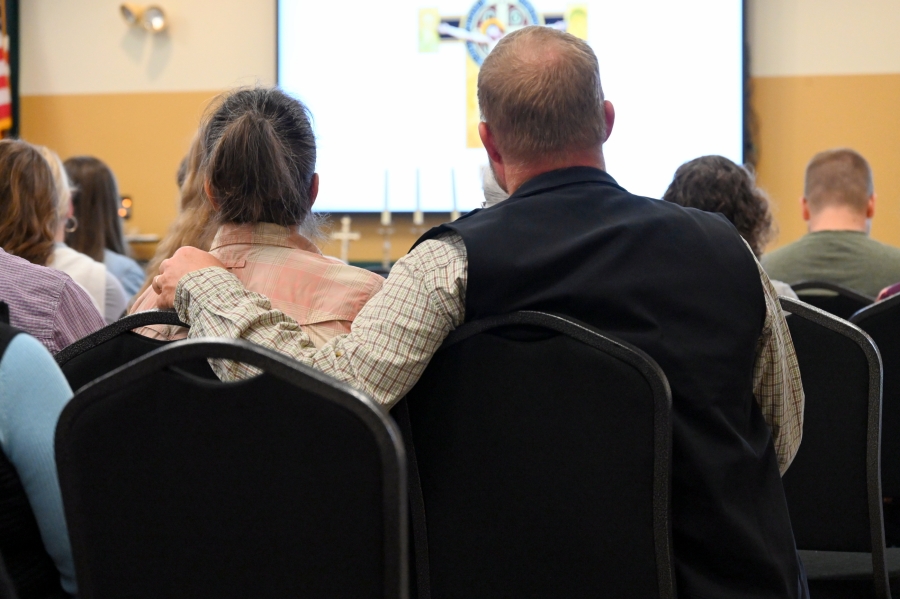
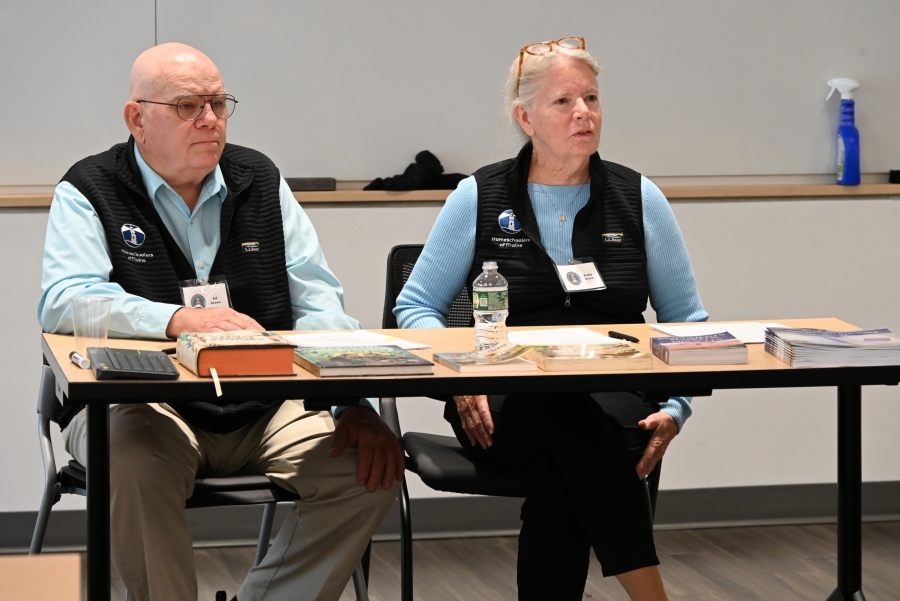
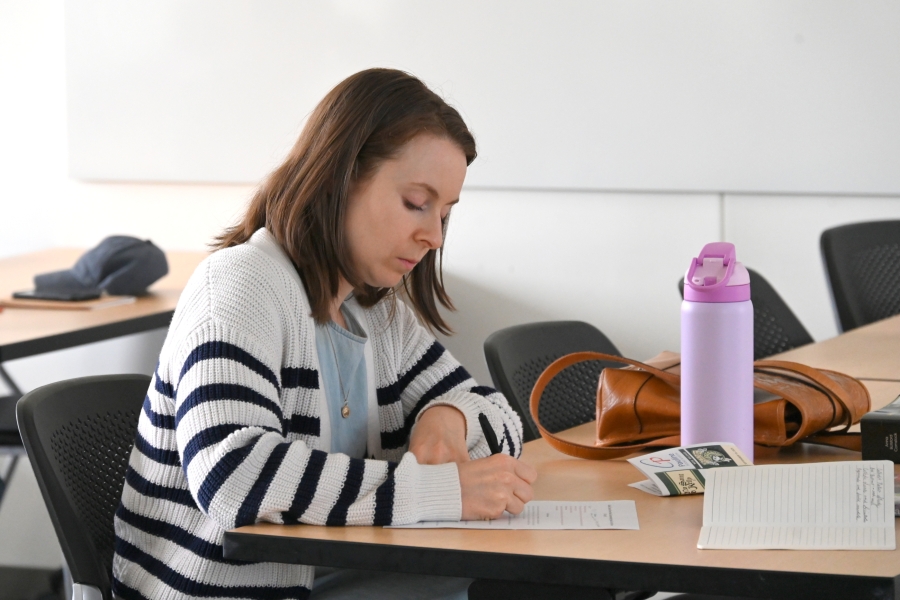
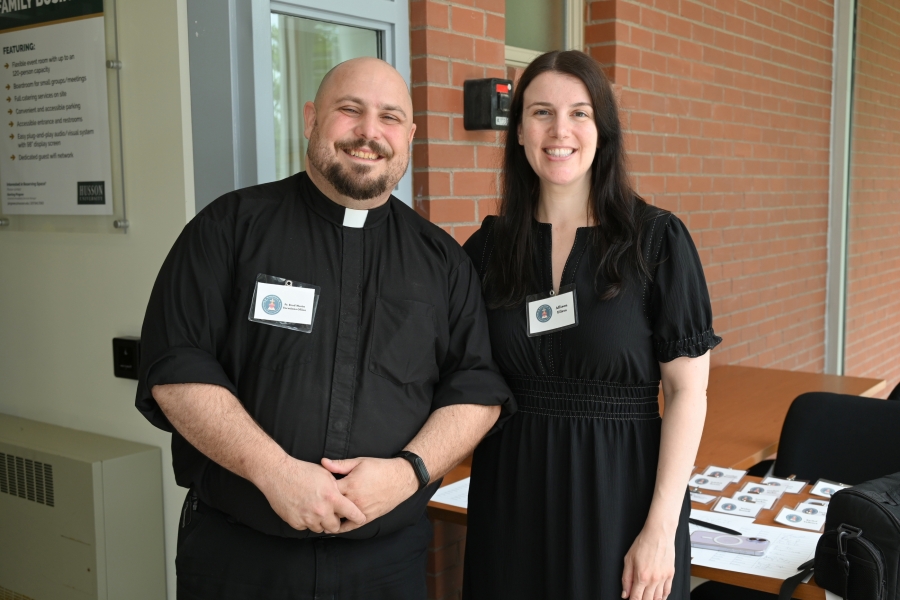
The Mother Cabrini Maine Catholic Education Initiative’s Homeschool Collaborative hosted its first Catholic Homeschooling Retreat and Conference on Saturday, June 27, bringing together homeschooling parents from around the state.
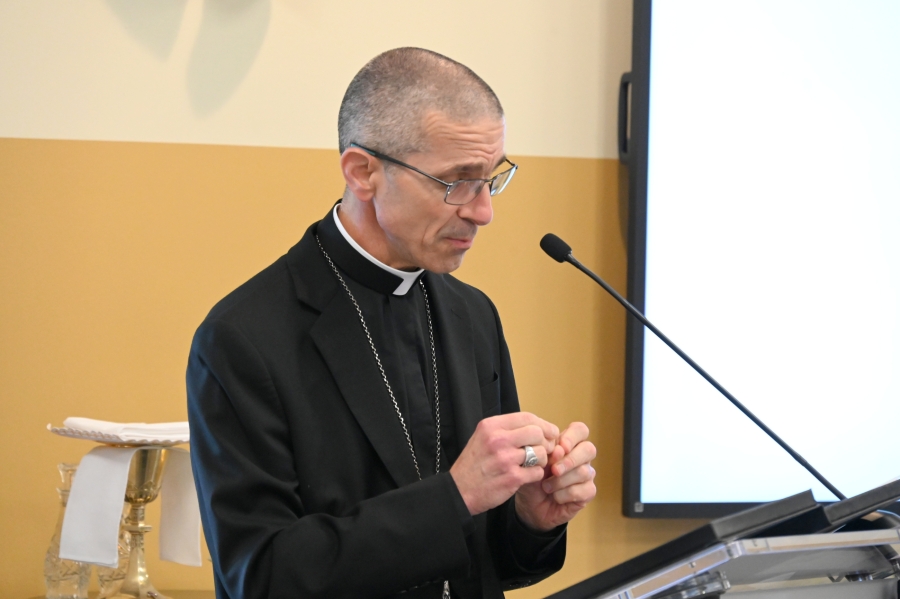
The theme of the conference, held in Bangor, was “Beauty in our Homeschools: Teaching Our Children to See,” something Bishop James Ruggieri reflected upon in his opening remarks.
“That theme is rich,” the bishop said. “It reminds us that Catholic education is never only about the transfer of information. It is about formation. It is about helping children see: to see creation as a gift; to see the human person as sacred; to see the body as meaningful; to see truth as something received and loved, not invented; to see freedom as ordered toward the good, to see the poor, the weak, the unborn, the elderly, the sick, and the lonely with the eyes of Christ; to see the Church as mother and teacher and, above all, to see Jesus Christ as the center of life.”
The bishop stressed that is why Catholic education matters, and he said that Catholic homeschooling has an important part to play in that broad mission.
“Parents are the first educators of their children. The Church clearly recognizes this reality. No school, parish program, curriculum, or institution can replace the sacred responsibility that belongs to mothers and fathers. Others can assist, support, strengthen, and accompany, but parents have a unique mission. The home is the first school of love, the first place where children learn trust, prayer, forgiveness, sacrifice, patience, responsibility, and the meaning of belonging,” the bishop said.
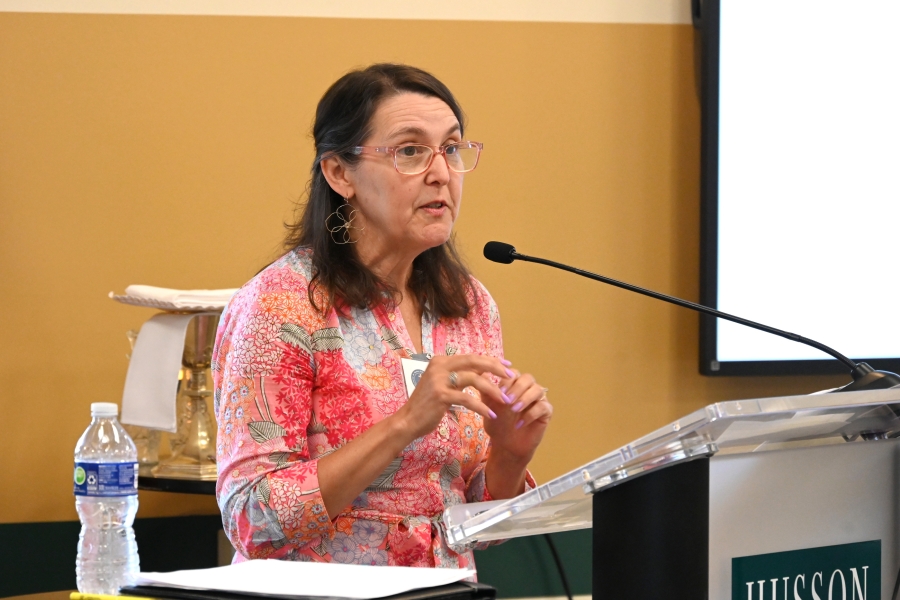
The conference featured keynote presentations by Dr. Amy Fahey, a teaching fellow at the Thomas More College of Liberal Arts in Merrimack, NH, where she also serves as the director for the Center for the Restoration of Christian Culture. She is also a mother of five with homeschooling experience.
In her address, Dr. Fahey talked about helping children to see the beauty around them by overcoming what she called a “zero-trust culture,” caused in part by pervasive cyber security threats.
"The challenge in educating our children is to push back against this creeping mistrust of reality. We can't let the digital age dictate the terms of our engagement with reality. We can’t let it shape and then often deform our sense of reality,” she said. “For every moment you spend training your eye to spot a deep fake on a screen is a moment stolen from time to cultivate a sense of wonder, of awe, of knowledge in the real world around you. And I would say the stakes are very high, for if we lose that sense of the seen realities, how would we be able to point the attention of our children toward the unseen hidden realities?”
Dr. Fahey said the answer to combatting that mistrust of reality is the theme of the conference: beauty, pointing to the beauty of art, literature, and the many gifts that surround us in nature.
“Beauty is animated by love and in turn animates love. It issues us an invitation to notice and to love,” she said.
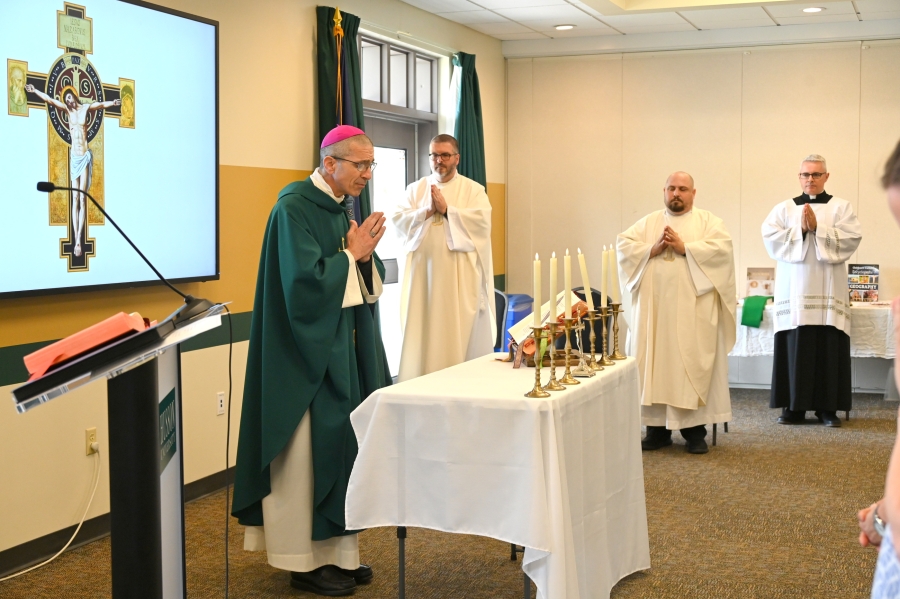
In his homily during the Mass at the homeschooling conference, Bishop Ruggieri said that teaching children to see the beauty around them is about forming the eyes of the soul.
"It is about helping children learn to see creation as gift, the human person as sacred, the home as a domestic church, the Church as mother and teacher, and Jesus Christ as the One in whom every human life finds its meaning," he said.
The bishop spoke of the false visions of today’s world, such as secularism, relativism, individualism, materialism, and utilitarianism, all of which, he said, “divide the person from God, the soul from the body, freedom from truth, love from sacrifice, and life from its eternal destiny.”
He said that is why Catholic education matters and why the domestic church matters.
“This is why the work of parents matters so profoundly. Homeschooling, at its best, is not merely another way to deliver academic content. It is a way of forming a whole person. It gives parents a privileged opportunity to help their children see the world as it truly is: created by God, wounded by sin, redeemed by Christ, and destined for glory,” the bishop said.
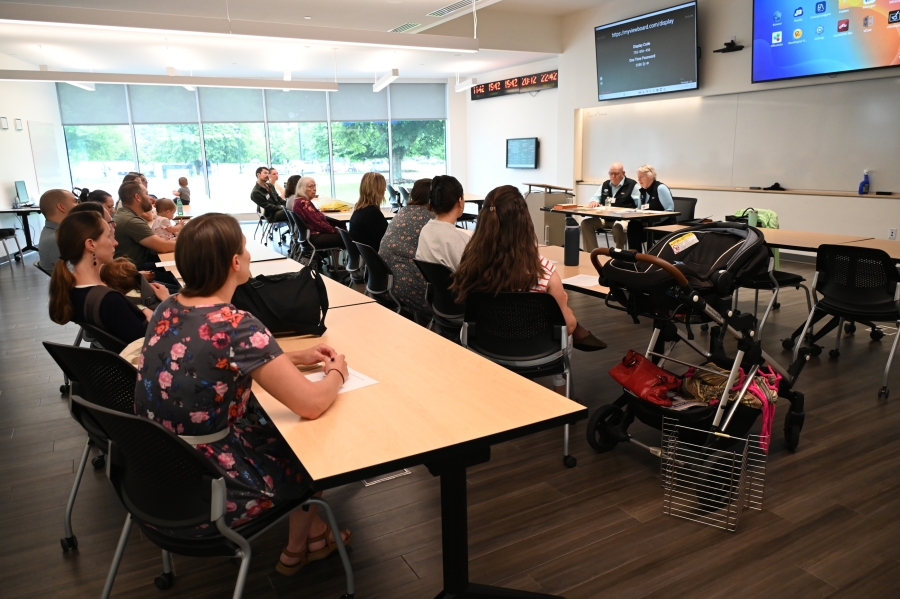
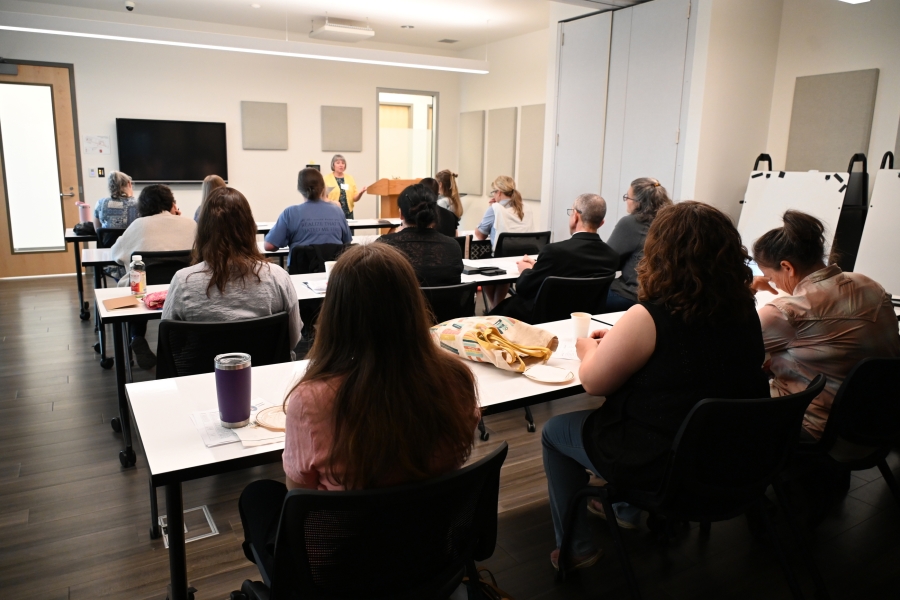
In addition to Mass and the keynote addresses, parents chose from a series of workshops on topics such as getting started with homeschooling, teaching science in the homeschool, creating high school transcripts, and living the liturgical year in the domestic church, among others.
The conference, which was attended by around 75 parents, was also an opportunity for them to make connections with one another.
“I wanted to come mostly to have conversations with other homeschoolers in Maine from different areas and find out from other people what their hopes are for education in Maine. We've been very, very blessed by how Bishop Ruggieri has been so interested in hearing from parents in Maine about Catholic education, and partly we just wanted to come to support him and his mission that he has here for children in Maine because we've just been so blessed in that, but also to meet other people and see what their groups are doing,” said Sandra Tracey, a homeschooling mother from Lewiston.
“I love homeschool conferences,” said Sandra Smith, a mother from Auburn. “It's full of encouragement. I love to encourage people, and I love to be encouraged. The bishop made me cry today when he said that what we're doing is important to the Church. I've never heard a bishop say this before. I'm so thankful for him. So, I just came here to be encouraged and to help encourage other people.”
“The bishop's remarks were really inspiring, and the keynote speaker, I really appreciated how much positivity she brought to the theme of the value of literature and how, as Catholics, we need to look for beauty in our lives through literature sometimes, that it's far from irrelevant. It's extremely relevant to helping our children see the beauty in the world around them,” said Meg Jackson of Palermo. "Living in rural Maine, we're surrounded by nature, we're surrounded by the beautiful, natural environment, and that's a privilege.”
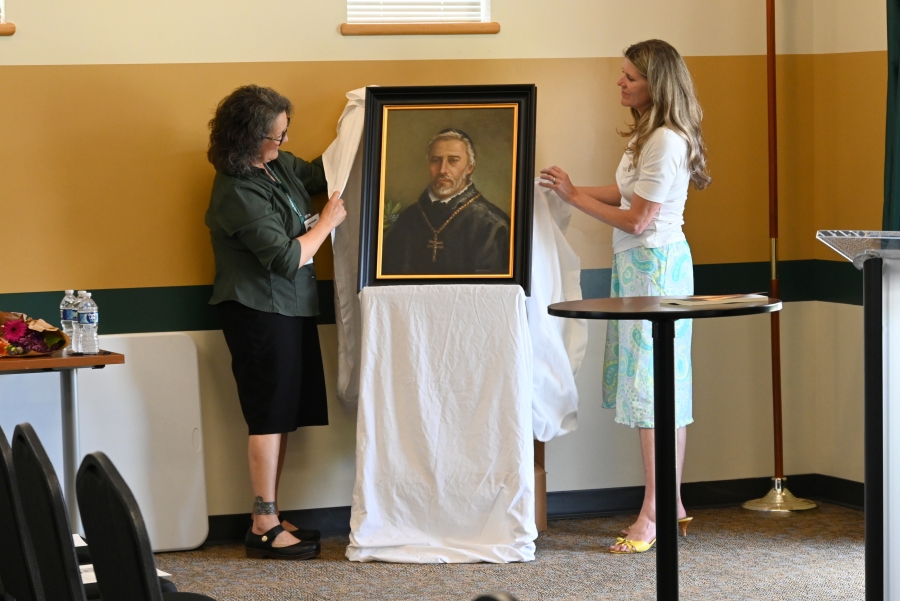
The conference also featured a presentation by Joseph Moreshead on the life of Father Sebastian Rale, who ministered to the Abenaki people around Norridgewock in the late 1600s and early 1700s. Moreshead said that you could say that Catholic education in Maine began with Father Rale since the first Indian school was opened there, and he wrote the first Abenaki French dictionary. He also taught his altar boys to read so they could chant the Divine Office. During the conference, a portrait of Father Rale painted by a local artist Courtney Giovinazzi was unveiled.